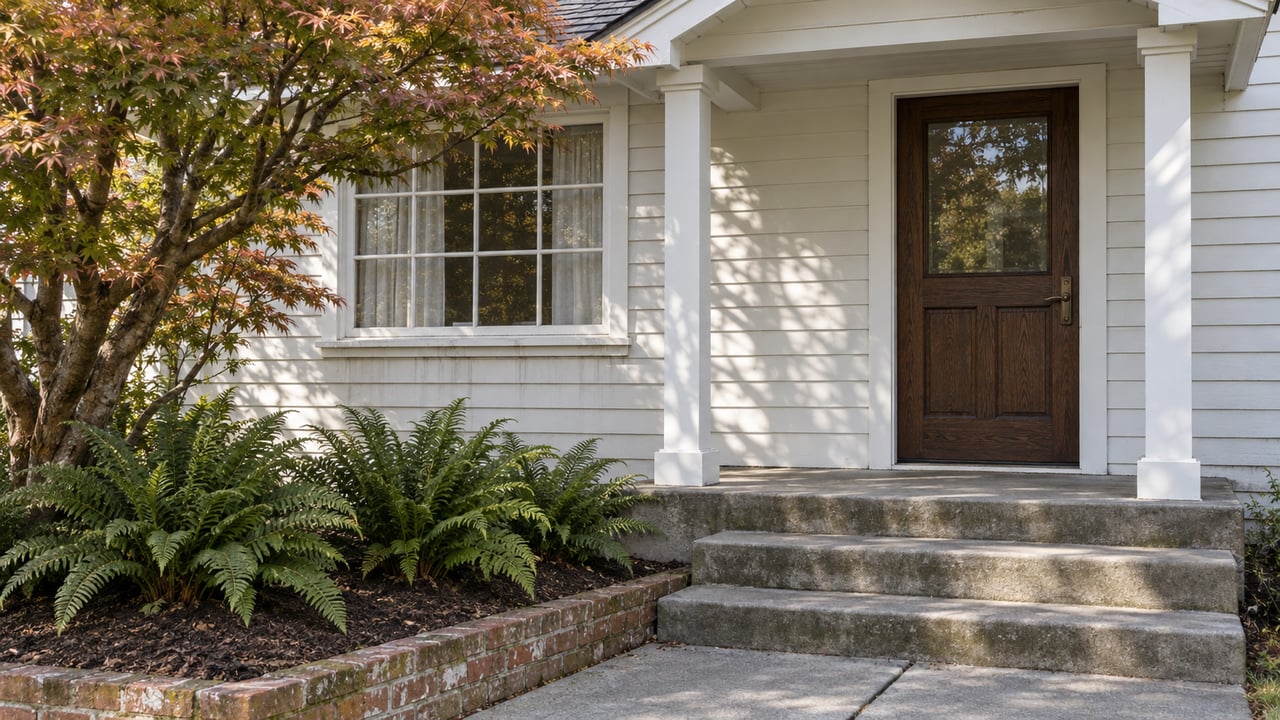
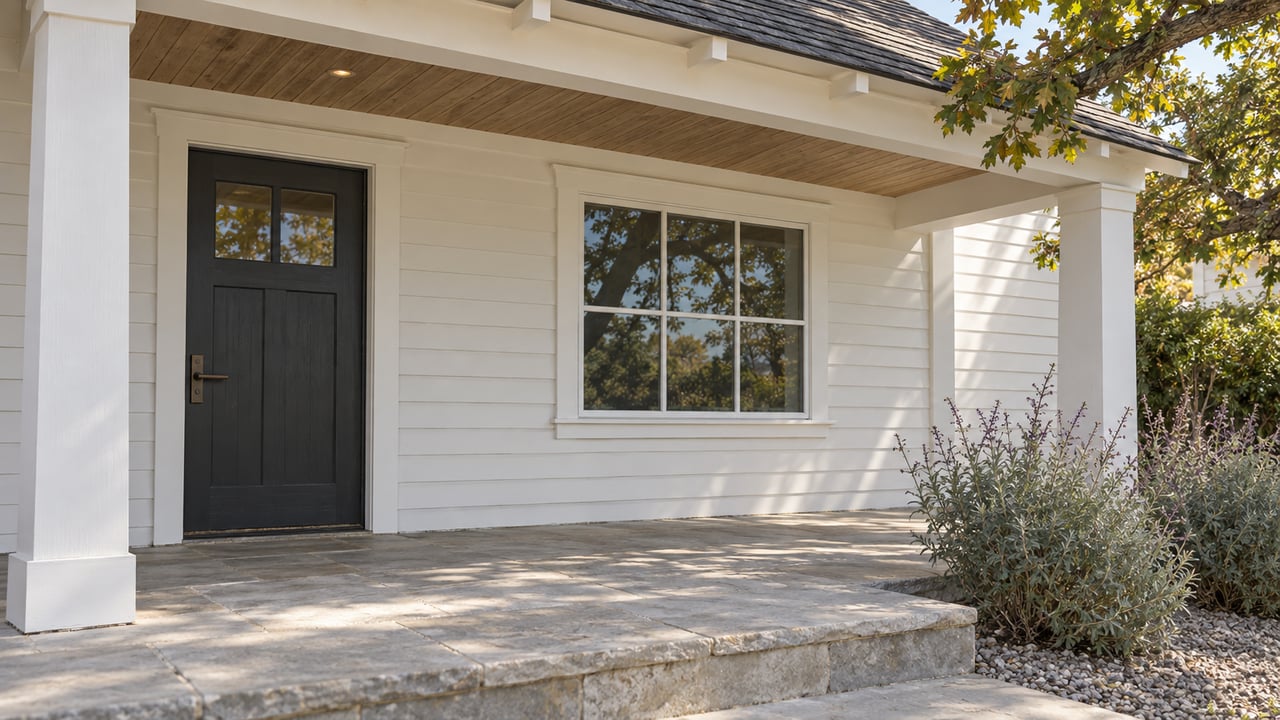
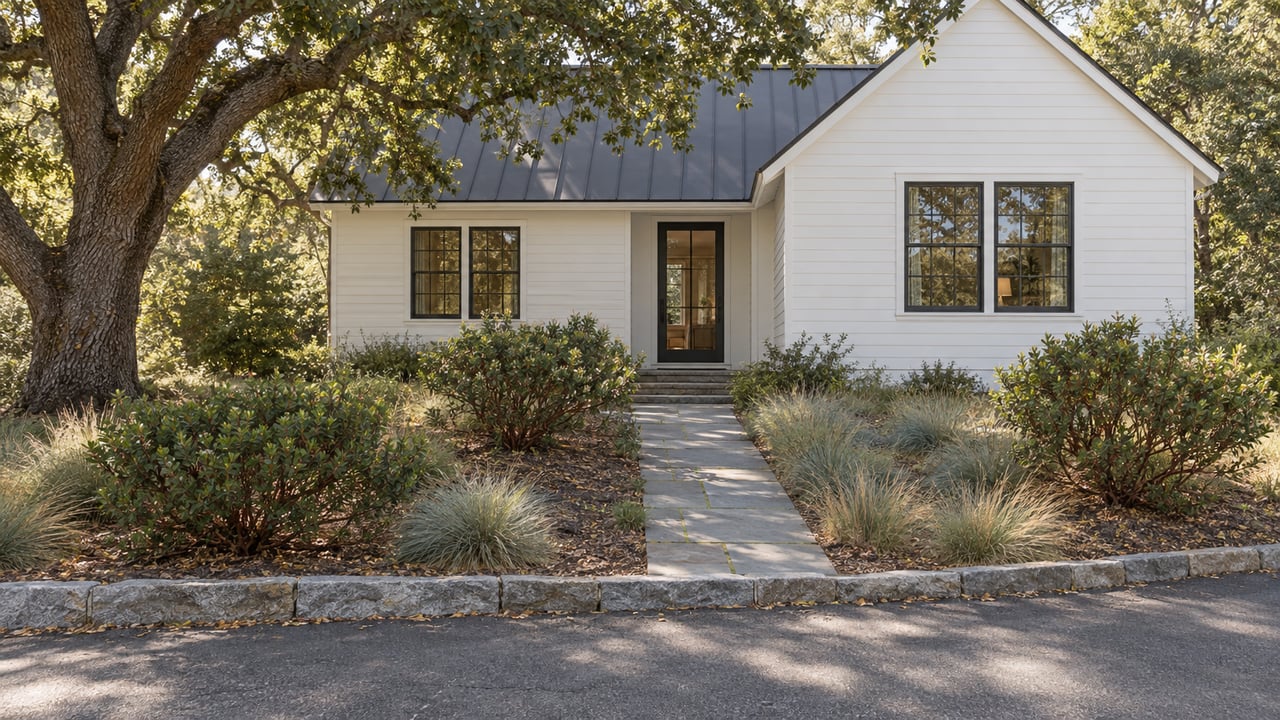
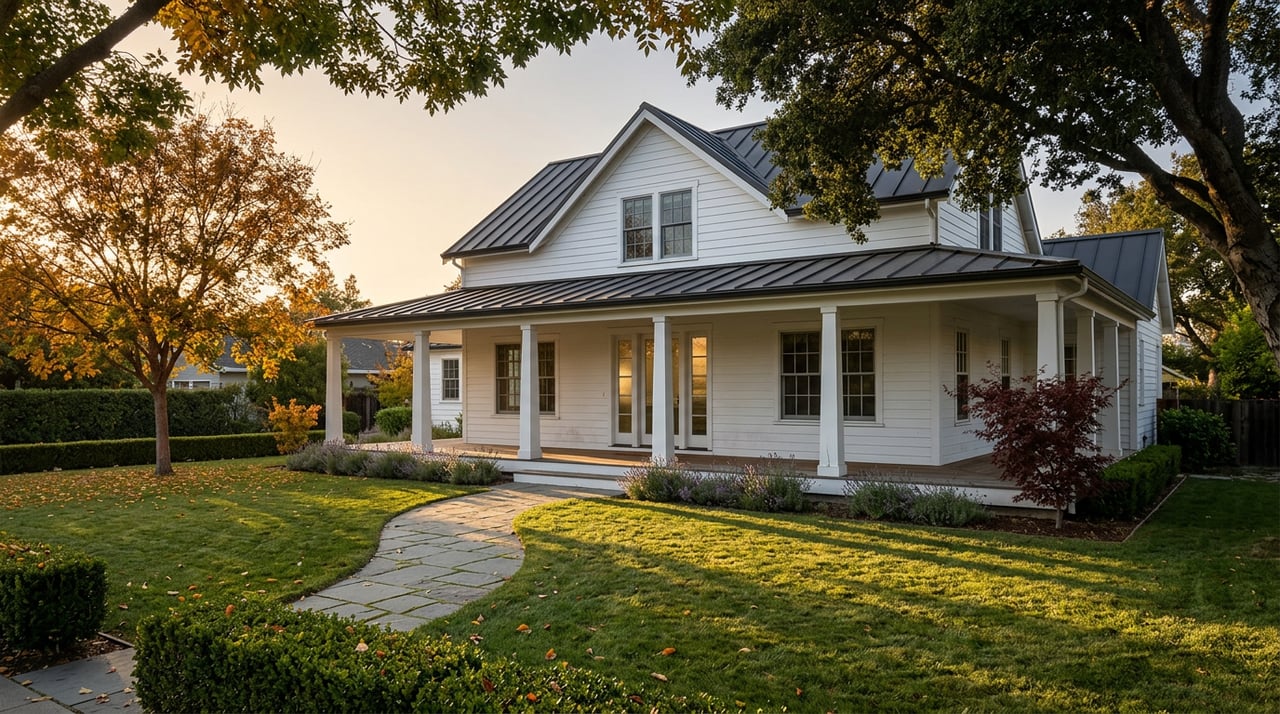
Two listings, both in Richmond, both live right now. One is a Craftsman-style bungalow with a covered porch, tucked into the streets of the Annex between Interstate 80 and the El Cerrito line. The other is a two-bedroom condo in a gated Marina Bay complex, water views included, priced tens of thousands of dollars lower per square foot. On paper, the condo looks like the better deal. Add up what each one actually costs to hold for a decade, and the gap narrows or disappears, because one of these homes comes with a monthly bill the other doesn't.
That's the piece missing from most Richmond comparisons: a citywide median price treats Point Richmond, the Annex, and Marina Bay as one market. They aren't. They're three different products with three different cost structures, and the number that gets quoted most often, the median sale price, hides more than it reveals.
One City, Three Markets That Don't Talk to Each Other
Geography does a lot of the separating here. The Annex sits apart from the rest of Richmond almost by accident, cut off from the main part of the city by I-80 and wrapped on the other sides by El Cerrito, which gives it a small-town feel despite technically being a Richmond neighborhood. Point Richmond occupies its own peninsula north of the harbor, built around a historic village triangle of shops and a walkable core. Marina Bay is newer still, a roughly 350-acre master-planned community built starting around 1980 on the site of a former World War II shipyard, laid out with wide boulevards and gated waterfront subdivisions rather than a traditional street grid.
Because these three areas grew up under different logic, at different times, for different reasons, they produce different housing. The Annex is mostly midcentury bungalows, cedar-lined Craftsman houses, and California ranchers on modest lots. Point Richmond mixes midcentury ranch homes and Craftsman-style houses in its northern blocks with contemporary multifamily development to the south, much of it within walking distance of the Hotel Mac, Kao Sarn Thai Cuisine, and Little Louie's Café along the village triangle. Marina Bay is overwhelmingly condos and townhomes, with only a few streets of single-family homes scattered among the gated communities.
Here's how the three neighborhoods compare, using each area's most recently reported figures.
| Neighborhood | Median sale price | Price per square foot | Typical days on market | Dominant housing type |
|---|---|---|---|---|
| Point Richmond | about $877,000 (three months ending May 2026) | about $642 | roughly 23 days | Craftsman and midcentury single-family homes |
| Richmond Annex | about $881,000 (February 2026) | about $621 | roughly 23 days | Bungalows and ranch-style single-family homes |
| Marina Bay | roughly $492,000 to $531,000, depending on the month and source | about $496 to $499 | 32 to 57 days, depending on the source | Condos and townhomes, few single-family |
That range for Marina Bay isn't sloppy reporting. It's the market itself being harder to pin down, because the neighborhood mixes studio-sized condos, larger townhomes, and the occasional single-family lot, and which one closes in a given month swings the median. A citywide Richmond number that folds all three neighborhoods together is doing the same thing, just at a bigger scale.
The Point Richmond and Annex Coincidence
Look at Point Richmond and the Annex side by side and something strange shows up. Their medians land within a few thousand dollars of each other. Their days-on-market figures match almost exactly. If you only read the headline price, you'd assume they're interchangeable.
They aren't, and the price-per-square-foot column is where the difference hides. Point Richmond commands roughly $20 more per square foot than the Annex. That gap is small on a spec sheet but it means the same total budget buys a smaller footprint on the Point than it does in the Annex. What you're paying the premium for on the peninsula isn't extra square footage. It's the walk to the village triangle, the views toward downtown San Francisco or the Golden Gate Bridge that some Point Richmond homes carry, and proximity to the water at Miller/Knox Regional Shoreline and the Richmond Natatorium.
In the Annex, the same dollars buy more house and less village. Smaller two-bedroom bungalows start around $600,000, while larger homes with hillside views can top $1 million. What you get instead of a walkable commercial core is direct freeway access to Oakland and San Francisco, a short drive to the El Cerrito Plaza BART station, and a retail strip along San Pablo Avenue anchored by Pacific East Mall, with Los Moles Restaurant and Windchaser wine among the local names residents point to. It's also worth knowing, if you're weighing the Annex specifically, that the neighborhood still throws an annual Richmond Annex Neighborhood Party, the kind of detail that tells you more about the texture of a place than any price table can.
So the coincidence isn't really a coincidence. Two neighborhoods can land on nearly the same median because buyers are paying for different things that happen to cost about the same amount. That's useful to know before you fall in love with a number instead of a floor plan.
Marina Bay's Discount Has a Monthly Bill Attached
Marina Bay is where the comparison gets interesting, because it's the one neighborhood where the sale price and the ownership cost genuinely diverge.
At roughly $496 to $499 per square foot, Marina Bay looks like the value play in Richmond, undercutting both Point Richmond and the Annex by well over $100 a square foot. For a buyer stretching to get into the East Bay at all, that's a meaningful number.
It's also an incomplete one. Building-level data for Marina Bay Northshore, one of the neighborhood's condo communities, puts monthly HOA dues at $600 to $800, covering common area maintenance and earthquake insurance among other line items. A separate database that tracks HOA costs across the neighborhood lists a lower average closer to $440 a month for the same complex, and the spread between those two figures is itself worth noting: HOA dues vary building to building and aren't always disclosed the same way across listing platforms, so the number a buyer sees during a home search may not match what shows up in the actual budget documents during escrow.
Take the middle of the higher range, $700 a month, and do the arithmetic that doesn't require a mortgage calculator. Over ten years, that's $84,000 in dues, paid whether the buyer financed the entire purchase or bought in cash, and none of it builds equity. Over a full thirty-year mortgage term, it's $252,000, roughly half the sale price of the unit itself, paid on top of the mortgage rather than toward it. That's not a knock on Marina Bay. Gated security, exterior maintenance, and earthquake coverage are real costs that a single-family owner in the Annex or on the Point pays out of pocket anyway, just less visibly and on a different schedule. But it means a buyer comparing a Marina Bay condo's price tag against a Point Richmond or Annex house needs to compare total monthly housing cost, not sale price, or the comparison isn't really apples to apples.
The slower absorption in Marina Bay backs this up. Homes there have taken anywhere from about a month to nearly two months to sell this year, compared to roughly three weeks in both Point Richmond and the Annex. Part of that gap is product mix, since condos in any market often move slower than detached homes. But a buyer doing real diligence on HOA reserves, budgets, and any pending special assessments, which is worth doing before writing an offer on any HOA property, also takes longer than a buyer walking through a single-family home with no association to underwrite.
For what it's worth, Marina Bay still has genuine pull. It's walkable to the Bay Trail, the Rosie the Riveter National Historical Park sits inside the neighborhood, Assemble food hall and Lara's Fine Dining anchor the old Ford assembly plant site, and the Richmond Ferry Terminal puts San Francisco about thirty minutes away by water. None of that shows up in a price-per-square-foot column either. The point isn't that Marina Bay is a bad option. It's that the number most buyers use to judge it isn't the number that determines what they'll actually pay each month.
What This Means If You're Comparing Richmond Neighborhoods
Before treating any Richmond listing's price or price-per-square-foot as the final word, it's worth asking three things:
- Does this property come with a homeowners association, and if so, what's actually included in the monthly dues, not just the headline figure quoted in the listing?
- Is the median price for this neighborhood built mostly from single-family sales, condo sales, or a mix, and does that match the type of home being compared?
- What is the premium or discount per square foot actually buying, whether that's a walkable village, freeway access, or waterfront amenities, rather than assuming it reflects size or age alone?
A citywide Richmond median answers none of these questions. Neighborhood-level pricing gets closer, but even that needs a second look at what's included in the number and what's sitting just outside it in a homeowners association budget.
If you're weighing a move within Richmond or into it, Tiscareno Homes can walk through the real carrying costs behind a listing, not just the sale price, and help you figure out which neighborhood actually fits the home you want to own for the long run. Request a complimentary staging and market consultation to start that conversation.
FAQ
Are HOA dues the same across all of Marina Bay, or does it vary by building? It varies. Building-level data for Marina Bay Northshore points to $600 to $800 a month, while a separate community-wide estimate lists an average closer to $440. Always ask for the specific association's current budget and reserve study rather than relying on a listing's quoted figure.
Why do Point Richmond and the Annex both tend to sell in about three weeks? Both are dominated by single-family homes with no HOA layer to slow down buyer due diligence, and both draw steady demand for reasons that don't overlap much, village life on the Point versus freeway and BART access in the Annex. That keeps both moving at a similar pace even though the homes themselves look very different.
Is a lower price per square foot always the better deal? Not on its own. It's a useful starting metric, but it doesn't account for HOA dues, deferred maintenance reserves, or what the discount is actually buying you less of, whether that's walkability, land, or view. Compare total monthly cost of ownership, not just the sale price, before deciding which number tells the real story.
This article is general information, not legal, tax or financial advice. Consult a qualified professional about your situation.