Looking for a place where you can grab coffee downtown, hop on a trail in minutes, and still feel connected to the wider East Bay? That mix is a big part of what draws people to Lafayette. If you are considering a move here, understanding how parks, trails, and town center life fit together can help you picture your day-to-day lifestyle. Let’s dive in.
Why Lafayette Feels So Livable
Lafayette offers a lifestyle that blends outdoor access with a compact, active downtown core. You are not choosing between nature and convenience here. In many parts of town, both are part of the same daily rhythm.
That balance shows up in the city layout. Neighborhood streets can quickly give way to hills, open space, and ridge views, while downtown along Mt. Diablo Boulevard remains a central place for dining, errands, and community events. For many buyers, that combination is what makes Lafayette stand out.
Parks and Trails in Lafayette
If outdoor access matters to you, Lafayette gives you a lot to work with. The city manages seven trails, plus a trail network in Community Park, for about 16 miles of trails. That does not include several well-known regional routes and recreation areas that also shape the local lifestyle.
You can find a range of trail experiences here. Some paths feel close to town and easy to fold into a normal weekday, while others give you a stronger sense of open space and elevation. That variety makes it easier to match the setting to your pace and routine.
City Trails and Local Parks
Lafayette’s public-space system includes Community Park, Buckeye Fields, Brook Street Park, Leigh Creekside Park, and Lafayette Plaza. These spaces help weave recreation into both residential areas and the downtown core. In practical terms, that means outdoor time does not always require a big outing.
The Walter Costa Trail is a good example of Lafayette’s character. The city describes it as a mix of suburban streets and more rural trails with ridge-top views. That blend says a lot about life here, where a walk can shift from neighborhood scenery to a more open, natural setting.
Reservoir and Regional Access
Lafayette Reservoir Recreation Area is one of the area’s best-known outdoor anchors. It is a year-round day-use park for hiking, jogging, fishing, boating, and picnicking. It is also located off Highway 24 about one mile from the BART station, which adds to its convenience.
Briones Regional Park also borders Lafayette and has Lafayette-area access points at Bear Creek Road and Reliez Valley Road. If you like having larger open-space destinations nearby, this adds another layer to the lifestyle. You can stay local for a shorter walk or head toward a bigger regional landscape when you want more room to roam.
Longer Routes for Walking and Biking
Beyond city-managed trails, Lafayette connects into wider regional networks. The city points to the Lafayette-Moraga Trail, the reservoir’s paved Lakeside and Rim trails, and the 17.5-mile Lamorinda Loop Trail that runs through Lafayette, Moraga, and Orinda.
For buyers who value walking and biking options, these routes help support an active routine. They also make Lafayette feel connected, not isolated. You have local paths for everyday use and longer routes when you want a bigger weekend outing.
Town Center Life on Mt. Diablo Boulevard
Downtown Lafayette centers on Mt. Diablo Boulevard, which serves as the city’s main commercial and cultural core. Planning documents describe it as a place that mixes retail, office, commercial, and residential uses while staying pedestrian-friendly and making the most of BART access.
That planning vision matters because it shapes how downtown feels on the ground. Rather than functioning as a purely pass-through corridor, the area is meant to support walking, gathering, and everyday convenience. If you like a town center that feels active without feeling oversized, Lafayette’s core often appeals to that preference.
Dining and Daily Errands
The city describes downtown dining as a restaurant row with coffee shops, quick bites, and more formal dining, alongside locally owned shops and professional services. For you, that can mean a downtown experience that supports both casual routines and social plans.
It is the kind of area where you can combine errands with lunch, meet friends for coffee, or enjoy an evening out without needing a long agenda. That everyday usefulness often matters just as much as major attractions. A downtown that works on ordinary days tends to become a real part of your lifestyle.
Design and Character Downtown
Lafayette’s downtown design standards are intended to preserve the area’s informal character while allowing variation in building style, height, setbacks, and spacing. That may sound technical, but it speaks to something many buyers notice right away. The city pays attention to how its core evolves.
This focus on design quality helps downtown feel intentional rather than generic. As new multifamily and mixed-use projects are added, the goal is to maintain a sense of place. That can be especially meaningful if you value a town center that feels curated and human-scaled.
Commuting and Getting Around
Transit is a real part of the Lafayette story. Lafayette Station sits on the Antioch to SFIA/Millbrae line and is also served by County Connection. The station includes bike racks and 32 on-demand BikeLink lockers.
For commuters, that gives you another layer of flexibility. You may be able to combine driving, biking, walking, and transit depending on where you live in town and where you need to go. Even if you do not use BART every day, its presence shapes the convenience of the area.
Town Center Pathway and Aqueduct Pathway
The City and BART are building the Town Center Pathway and Bike Station project to improve ADA-compliant walking and biking links between the station and downtown. This is part of a broader effort to make those connections more direct and comfortable.
The larger Aqueduct Pathway effort is designed to create a safer, fully separated route through downtown Lafayette and connect neighborhoods, downtown destinations, and regional transit without relying on busy roads. For you, that can translate into a more practical walk-and-bike lifestyle over time.
Events and Community Rhythm
Lafayette’s social life is not limited to restaurants and shopping. Downtown events play a big role in how the city comes together throughout the year. The event calendar includes Rock the Plaza concerts, Taste of Lafayette, Trick or Treat Street, Community Day, Earth Day Festival, and It’s A Wonderful Life in Lafayette.
The Lafayette Art & Wine Festival is one of the city’s marquee events. In 2024, the city said it would draw an estimated 85,000 people and rank among Contra Costa County’s largest annual festivals. That gives you a sense of how active and well-attended downtown can feel during major community moments.
Public spaces help support that energy outside formal events too. Lafayette Plaza and nearby parks contribute to a downtown that feels used and shared, not just built for traffic flow. If you value places where people naturally gather, that is an important part of the appeal.
What Homes You Tend to Find
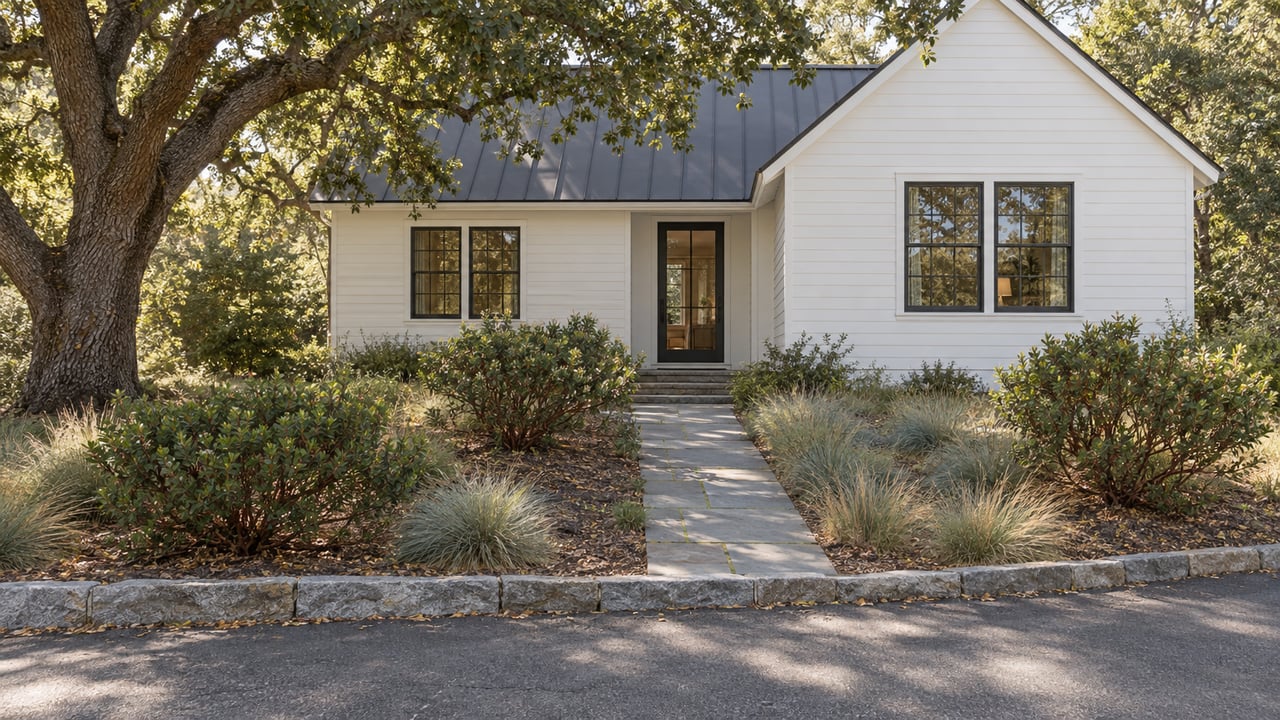
Lafayette’s housing pattern helps explain why different parts of town feel distinct. In 2020, the city’s housing stock was 76.9% single-family detached, 3.0% single-family attached, 6.8% small multifamily units with 2 to 4 homes, and 13.2% multifamily units with 5 or more homes.
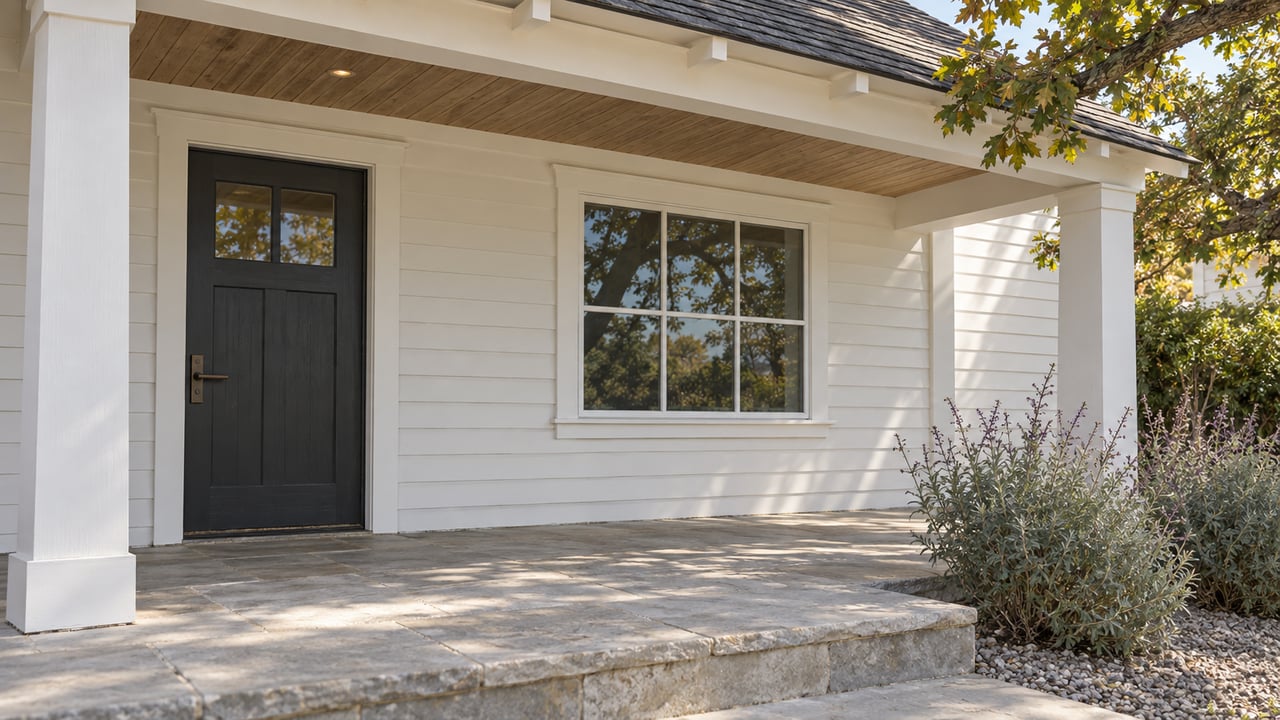
That means detached homes still define much of Lafayette’s residential landscape. At the same time, the city also highlights missing-middle options such as duplexes, triplexes, townhomes, cottage clusters, and ADUs. So while the city remains largely single-family in character, housing choice is slowly broadening.
Near Downtown and BART
Recent approvals show where denser housing is concentrating. In 2025, the city approved 163 housing units, including 110 units in two multifamily projects near BART and downtown. In 2026, it approved a 31-unit mixed-use building downtown.
For buyers, that usually means the downtown and BART area is where you are more likely to find apartments, condos, mixed-use buildings, and some townhomes. If being close to transit, dining, and everyday services is a top priority, this part of Lafayette may align well with your goals.
Near Trails and Hillsides
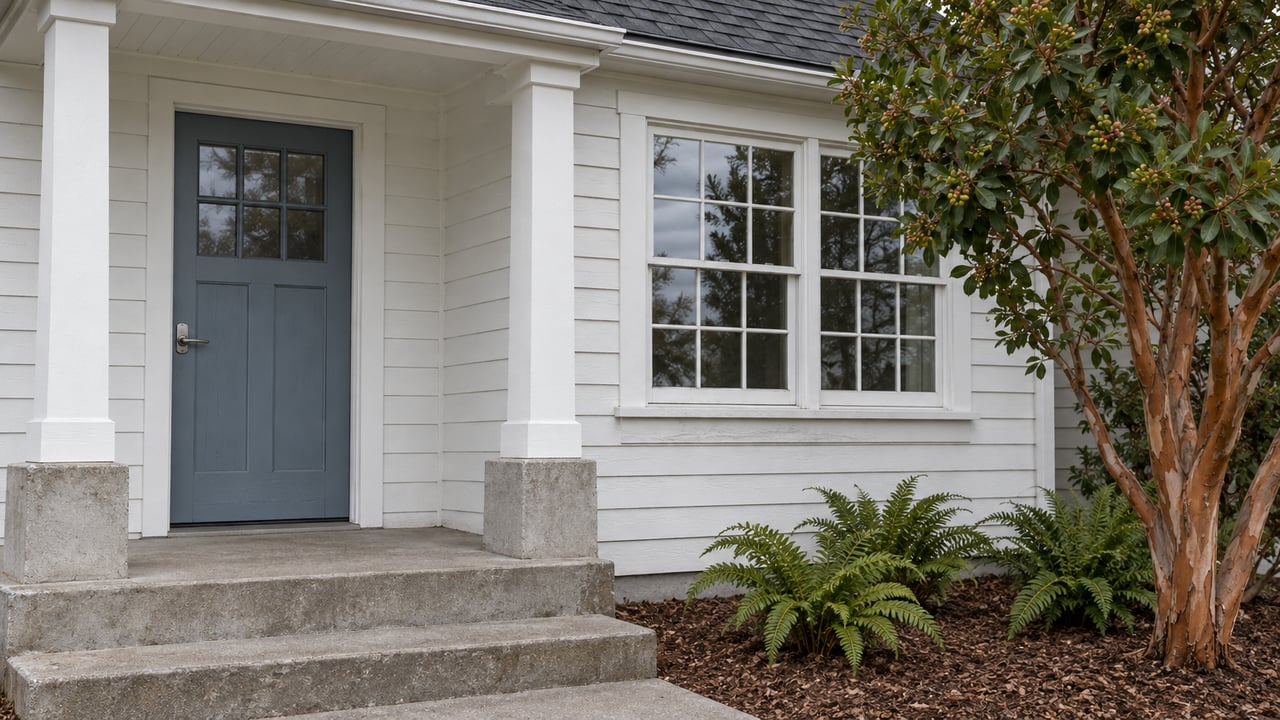
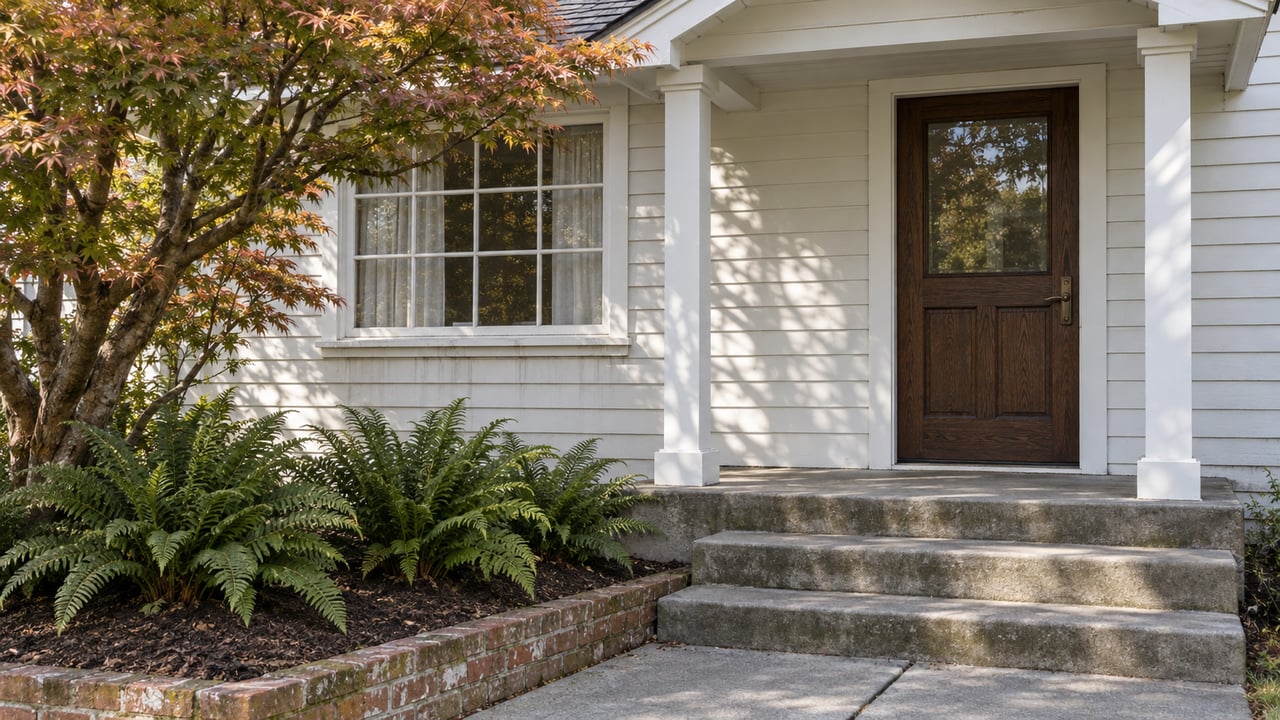
Elsewhere in Lafayette, the housing pattern shifts. Planning materials describe hillside and ridgeline areas as requiring special regulation, and historical city material identifies ranch-style homes in neighborhoods such as Burton Valley, Silver Springs, and Peardale.
In plain English, the trail-and-hills side of Lafayette is still dominated by detached single-family homes, often with more lot size and topographic character. If you picture a home framed by mature greenery, varied terrain, and quick access to open space, these areas often fit that image.
What This Means for Buyers
If you are coming from Berkeley, Oakland, or San Francisco, Lafayette often stands out for its combination of outdoor access, a compact downtown, and a housing mix that remains mostly detached single-family while gradually adding more homes near transit. You can find a lifestyle that feels connected but less compressed.
That does not mean every part of Lafayette feels the same. Some buyers are drawn to the convenience and energy near downtown and BART, while others prioritize trail access, lot size, and a stronger sense of separation from the core. Knowing which daily rhythm fits you best is often the key to narrowing your search.
A helpful way to think about Lafayette is this: do you want your day to start with a walk to coffee and transit, or with a quieter route toward trails and open space? Both experiences exist here. The difference is where you choose to plug into the city.
If you are thinking about buying or preparing to sell in Lafayette, local insight can make it much easier to match the right home, location, and lifestyle. For thoughtful guidance rooted in the Lamorinda market, connect with Pablo Tiscareno.
FAQs
What is outdoor life like in Lafayette, CA?
- Lafayette offers about 16 miles of city-managed trails, plus access to the Lafayette Reservoir, the Lafayette-Moraga Trail, the Lamorinda Loop Trail, and nearby Briones Regional Park.
What is downtown Lafayette known for?
- Downtown Lafayette is centered on Mt. Diablo Boulevard and is known for dining, locally owned shops, professional services, community events, and a pedestrian-friendly town-center feel.
Is Lafayette, CA good for commuters?
- Lafayette has a BART station on the Antioch to SFIA/Millbrae line, County Connection service, bike amenities, and pathway projects designed to improve walking and biking connections between downtown and transit.
What types of homes are common in Lafayette?
- Lafayette’s housing stock is mostly single-family detached homes, with multifamily housing and mixed-use development more concentrated near downtown and the BART area.
Are there community events in downtown Lafayette?
- Yes. Recurring events include Rock the Plaza, Taste of Lafayette, Trick or Treat Street, Community Day, Earth Day Festival, It’s A Wonderful Life in Lafayette, and the Lafayette Art & Wine Festival.