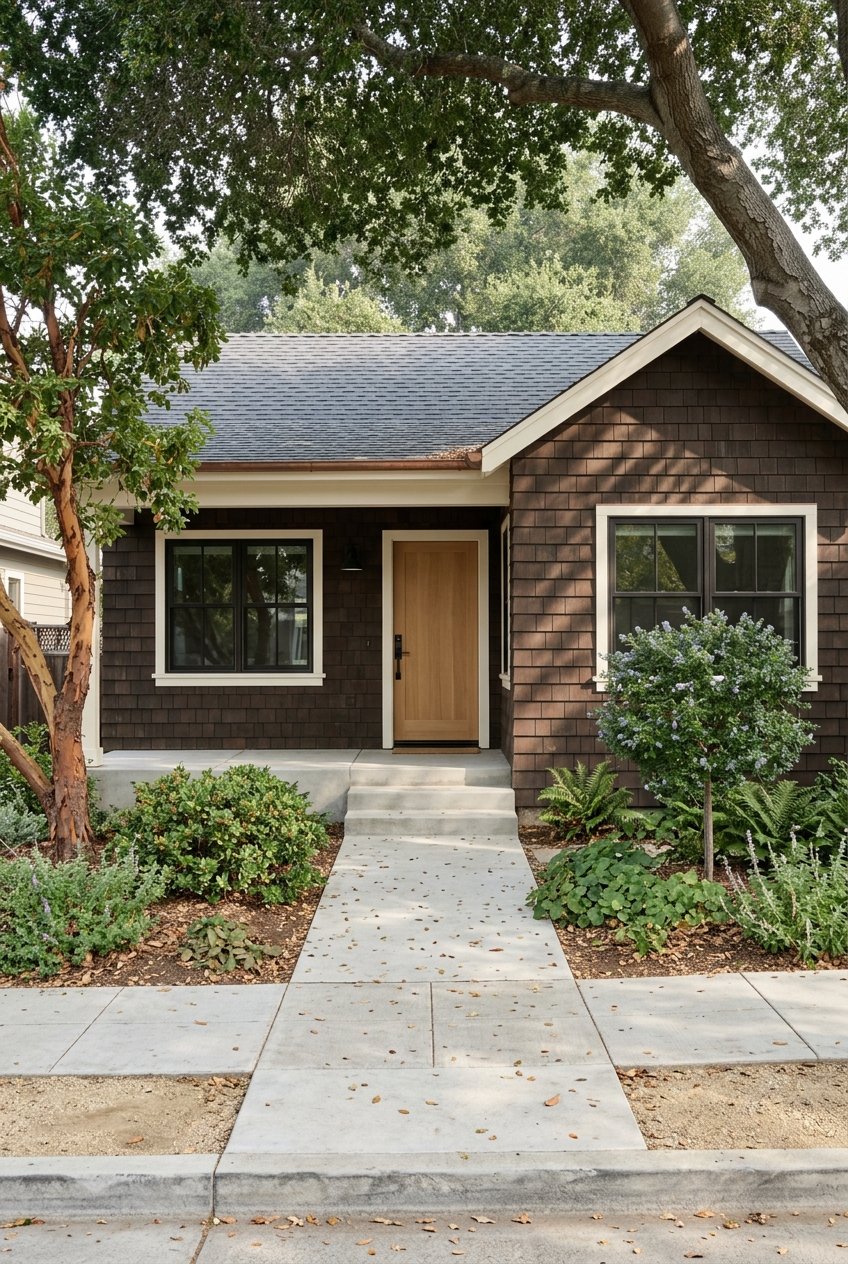
If you love homes with character, Berkeley can feel like a living design library. One block may offer a shingled hillside house tucked into trees, while the next features a bungalow porch, a formal revival facade, or a clean-lined midcentury roofline. If you are trying to make sense of Berkeley home architecture, this guide will help you spot the city’s major styles, understand how they live day to day, and know what ownership may involve. Let’s dive in.
Berkeley Architecture Starts With Layers
Berkeley does not have just one defining house style. Its residential identity is better understood as a series of overlapping eras, shaped by changing tastes, local architects, and the city’s hills, streets, and landscape.
That layered history is part of what makes house hunting here so interesting. You are not choosing from one repeating look. You are choosing between homes that often feel individually composed, especially in older parts of the city.
City landmark materials describe Bay Tradition as a regional Bay Area trend that ran roughly from the 1880s through the 1960s. Early phases are tied to the brown shingle look, while later phases lean more modern and ranch-influenced.
Brown Shingle Defines Berkeley Character
For many design lovers, the most distinctly Berkeley style is the brown shingle house, also known as First Bay Tradition. These homes are often tall and narrow, with two or three stories, asymmetrical plans, steep gable or gambrel roofs, wood windows, porches, and shingle cladding.
They often feel handcrafted rather than standardized. City materials note that Bay Tradition houses were often tailor-made for specific owners, which helps explain why so many Berkeley homes feel personal and site-specific.
This style is especially memorable in hillside settings. Panoramic Hill is one of Berkeley’s clearest examples, where brown-shingle homes sit among lush vegetation, paths, and stairways instead of a more typical suburban street pattern.
What Brown Shingle Homes Feel Like
Inside and out, these houses often create a strong relationship to the landscape. Porches, window placement, and layered forms can make them feel intimate, textured, and deeply connected to their setting.
If you are drawn to warm wood, irregular layouts, and a house that feels designed around its site, this style may be your favorite. It is often the choice for buyers who want a home with unmistakable Berkeley identity.
What To Watch For In Brown Shingle Homes
With character usually comes upkeep. Based on the materials and features the city identifies, wood siding, original windows, chimneys, and detailed rooflines often need periodic attention and careful repair.
That does not make these homes less desirable. It simply means that design appeal and maintenance planning usually go hand in hand.
Craftsman And Colonial Revival Offer Classic Appeal
Berkeley’s early 20th-century housing also includes many Craftsman bungalows and Colonial Revival homes. These styles can feel more familiar if you like classic proportions, front porches, and a stronger sense of room-by-room organization.
The city notes that Craftsman bungalows were usually one to one-and-a-half stories with a front porch. The style was especially well suited to the Bay Area because of its relatively low cost and fit with the mild climate.
Colonial Revival homes add a more formal note to Berkeley streetscapes. Local materials identify examples ranging from early landmark houses to High-Peaked Colonial Revival, a regional subtype found in notable numbers in Berkeley and Oakland.
Why Buyers Gravitate To These Styles
Craftsman homes often appeal if you want warmth, visible detail, and a welcoming front entry. Colonial Revival homes tend to attract buyers who like symmetry, steeper roofs, and a more traditional facade.
Both styles can feel grounded and timeless. In a city with so much architectural variety, they often offer a comfortable middle ground between expressive historic design and everyday livability.
Common Ownership Considerations
These homes often include painted wood, roof edges, masonry or chimney details, and original openings that are important to the overall design. In practical terms, preserving their proportions and details usually matters if you want to maintain the home’s architectural character.
If you are comparing options, this is where a careful eye helps. A well-kept bungalow or Colonial Revival house can be deeply appealing, but deferred exterior maintenance may affect both cost and future planning.
Revival And Storybook Homes Bring Romance
Some Berkeley homes lean fully into charm. Revival styles and Storybook houses add a picturesque layer to the city, with forms and finishes that stand apart from the shingled and bungalow traditions.
Berkeley Heritage materials describe a shift in some areas around 1910 from shingled homes to more assertive stucco houses. Other Berkeley examples include Spanish Colonial Revival and Storybook buildings with thick walls, curved roofs, and decorative details such as a bell tower.
These homes often make a strong first impression. Arches, stucco, tile, and dramatic rooflines do much of the aesthetic work, giving them a romantic presence from the street.
How These Homes Live
For many buyers, revival homes feel more enclosed and mood-driven than brown shingle or midcentury houses. The rooms and circulation can feel more inward, and the design often emphasizes atmosphere over openness.
If you love character details and a cinematic sense of arrival, these homes can be very compelling. They tend to reward buyers who appreciate architecture as experience, not just square footage.
Maintenance Tradeoffs To Expect
Stucco, roof tiles, and water-shedding details can be more sensitive to deferred maintenance. That means condition matters a lot when you are looking at homes in this category.
A beautiful facade is only part of the story. It is wise to think about how the exterior materials and roof forms will need to perform over time.
Midcentury Modern Adds Light And Simplicity
Berkeley also has a strong modern side. Local materials highlight work by architects such as William Wurster, Roger Lee, John Funk, Charles Warren Callister, and Harwell Hamilton Harris.
Common features include open-plan post-and-beam construction, butterfly roofs, horizontal massing, and restrained detailing, sometimes with Japanese influence. In some hillside settings, these modern homes sit alongside earlier brown-shingle houses, which says a lot about Berkeley’s architectural range.
Why Modern Homes Stand Out
Midcentury houses often prioritize openness, natural light, and a cleaner visual profile. If you prefer less ornament and a stronger indoor-outdoor feel, this part of Berkeley’s housing stock may speak to you.
These homes can feel calm and edited in a way that still feels current. Their appeal often comes from proportion, light, and structure rather than decorative trim.
Contemporary Infill Is Shaping Berkeley’s Next Chapter
Berkeley’s current housing story is not limited to historic homes and classic modernism. New rules are also shaping what gets built now.
The city’s Middle Housing zoning rules, effective November 1, 2025, allow duplexes, triplexes, fourplexes, courtyard apartments, and similar small-scale buildings on most residential lots through a faster ministerial process. The rules do not apply in the high fire hazard Berkeley Hills.
For design-minded buyers, this matters because Berkeley’s contemporary architecture increasingly includes small multifamily and infill forms, not just custom single-house modern design. These newer homes may offer simpler systems and more flexible layouts, even if they do not carry the same historic character as older properties.
How To Match Style With Lifestyle
The right Berkeley house is not just about what looks best in photos. It is about how you want to live in the space and what level of maintenance or renovation planning feels realistic.
Here is a simple way to think about Berkeley’s major architectural paths:
| Style | Often Appeals If You Love | Typical Tradeoff |
|---|---|---|
| Brown Shingle / First Bay Tradition | Wood-rich character, asymmetry, hillside setting, strong Berkeley identity | More upkeep for wood, windows, chimneys, and roof details |
| Craftsman / Colonial Revival | Porches, classic proportions, traditional layout | Ongoing attention to painted wood, masonry, and original exterior details |
| Revival / Storybook | Romance, stucco, arches, dramatic rooflines | Condition of stucco, tile, and drainage details matters a lot |
| Midcentury / Contemporary | Light, openness, cleaner lines, flexible layouts | Historic character may be less pronounced in newer infill |
When you tour homes, try to notice what your eye responds to first. Is it craftsmanship, symmetry, romance, or openness? That instinct often points you toward the style that fits you best.
Historic Status Can Affect Renovation Plans
If a Berkeley home is a City Landmark, a Structure of Merit, or part of a Historic District, exterior changes may require a Structural Alteration Permit approved by the Landmarks Preservation Commission. The city also notes that CEQA review may be triggered.
That is important if you are imagining exterior updates right away. Design changes that feel simple on another property may involve a more formal review process here.
Berkeley also offers Mills Act contracts, which can reduce property taxes in exchange for preservation work. In some situations, landmarking rules can also require code alternatives under the State Historical Building Code.
For the right owner, that framework can support long-term stewardship. But it also means you should understand a home’s status early, especially if preservation is part of the ownership equation.
Seismic Upgrades Matter In Older Berkeley Homes
Older homes in Berkeley often need to be viewed through a seismic lens as well as a design lens. The city’s retrofit program focuses on older wood-framed, pre-1980 homes with raised foundations or crawl spaces.
According to the city, bolting the house to the foundation and bracing cripple walls can significantly improve earthquake resilience. The city specifically notes that this matters in older cities like Berkeley, where many homes were not built with modern seismic safeguards.
If you are comparing a charming early 1900s house with a newer property, this is one of the practical differences to keep in mind. The prettiest house is not always the simplest house to own.
Why Berkeley Is So Rewarding For Design Lovers
What makes Berkeley special is not just the quality of any one style. It is the fact that you can choose between craft, formality, romance, modernism, and newer infill without leaving the same city.
That variety gives buyers room to be specific. You can look for a house that reflects how you want to feel at home, whether that means wrapped in shingles and greenery, welcomed by a porch, charmed by arches, or surrounded by glass and light.
If you are sorting through Berkeley homes, it helps to look beyond labels. Pay attention to the site, the materials, the maintenance story, and how the home’s design supports your everyday life.
If you want a thoughtful, design-minded perspective as you evaluate East Bay homes, Pablo Tiscareno offers a polished, high-touch approach grounded in presentation, architecture, and real-world guidance.
FAQs
What architectural style is Berkeley best known for?
- Berkeley is especially known for brown shingle or First Bay Tradition homes, which are closely tied to the city’s hills, early 20th-century design culture, and custom residential architecture.
What defines a Berkeley brown shingle house?
- A Berkeley brown shingle house often has wood shingle cladding, asymmetrical massing, steep gable or gambrel roofs, porches, wood windows, and a design that responds closely to its site.
What should buyers know about maintaining older Berkeley homes?
- Older Berkeley homes often need ongoing attention to materials such as wood siding, original windows, chimneys, roof details, stucco, or tile, depending on the style and condition of the property.
What does historic status mean for Berkeley home renovations?
- If a Berkeley home is designated as a City Landmark, Structure of Merit, or part of a Historic District, exterior changes may require approval through the city’s landmark alteration process.
What seismic issues matter in Berkeley houses?
- For many older wood-framed Berkeley homes with raised foundations or crawl spaces, foundation bolting and cripple wall bracing are important upgrades the city identifies as helpful for earthquake resilience.
What kinds of newer housing are being added in Berkeley?
- Under Berkeley’s Middle Housing rules effective November 1, 2025, many residential lots can allow duplexes, triplexes, fourplexes, courtyard apartments, and similar small-scale housing forms through a faster ministerial process, except in the high fire hazard Berkeley Hills.