Falling for a Berkeley historic home is easy. Managing the risks that can come with age, permits, and future renovations is the part that trips buyers up. If you want the charm without the chaos, the key is knowing what to check before you write an offer and before you plan any updates. Let’s dive in.
Why Berkeley Historic Homes Stand Out
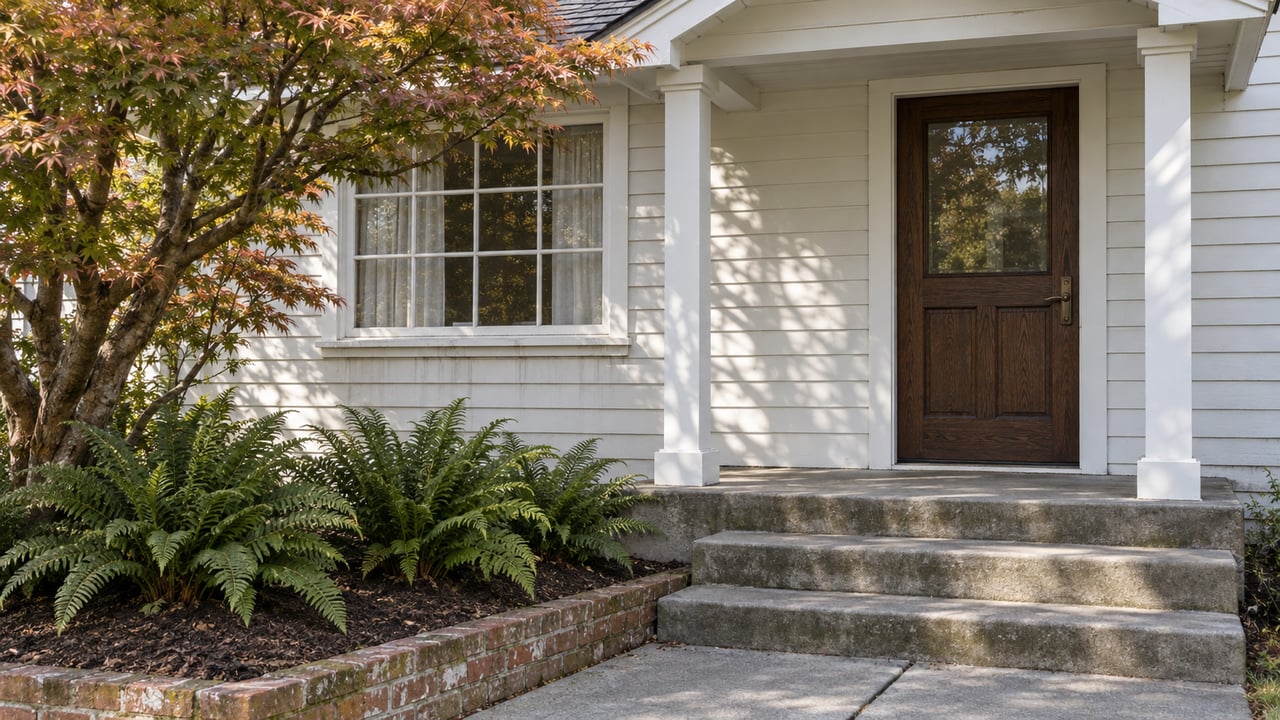
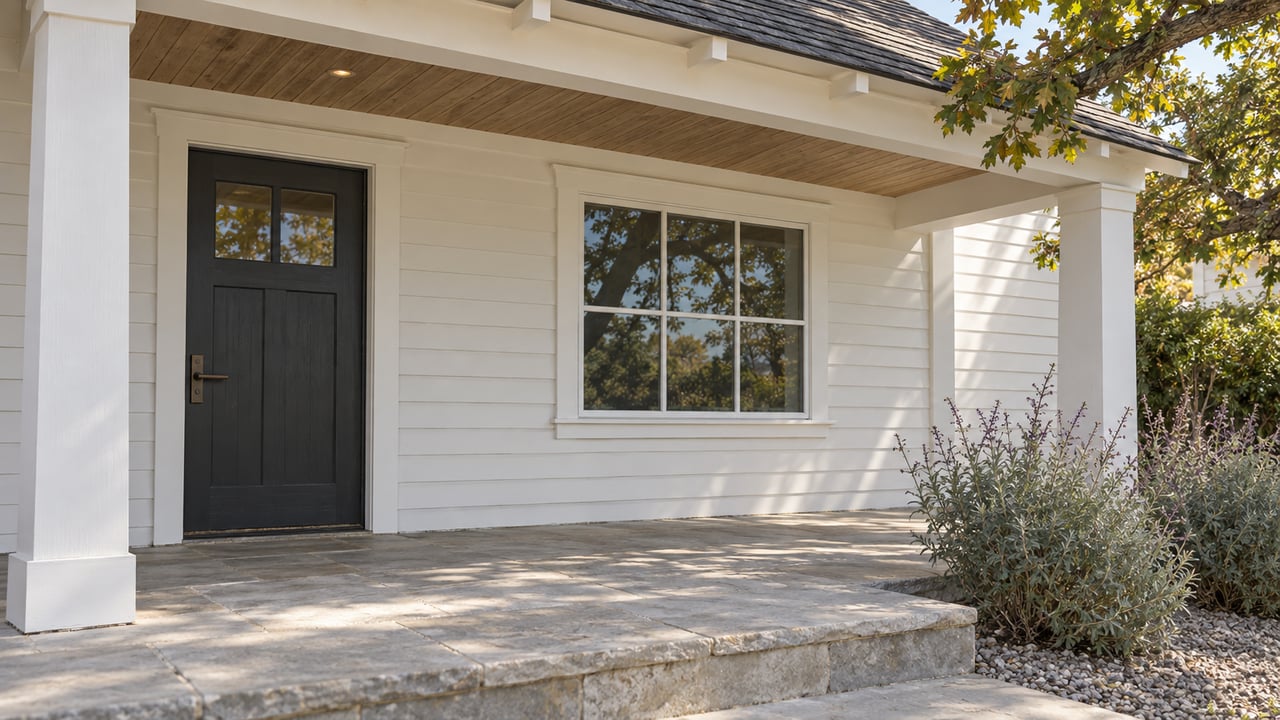
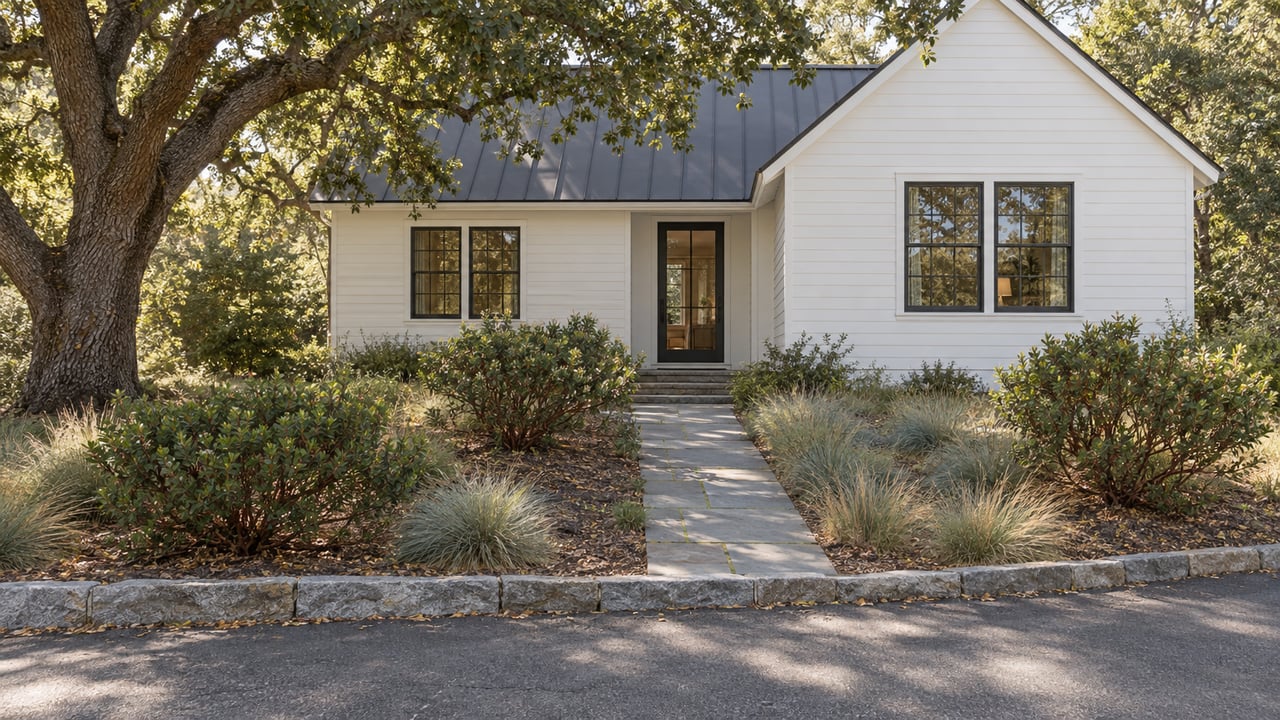
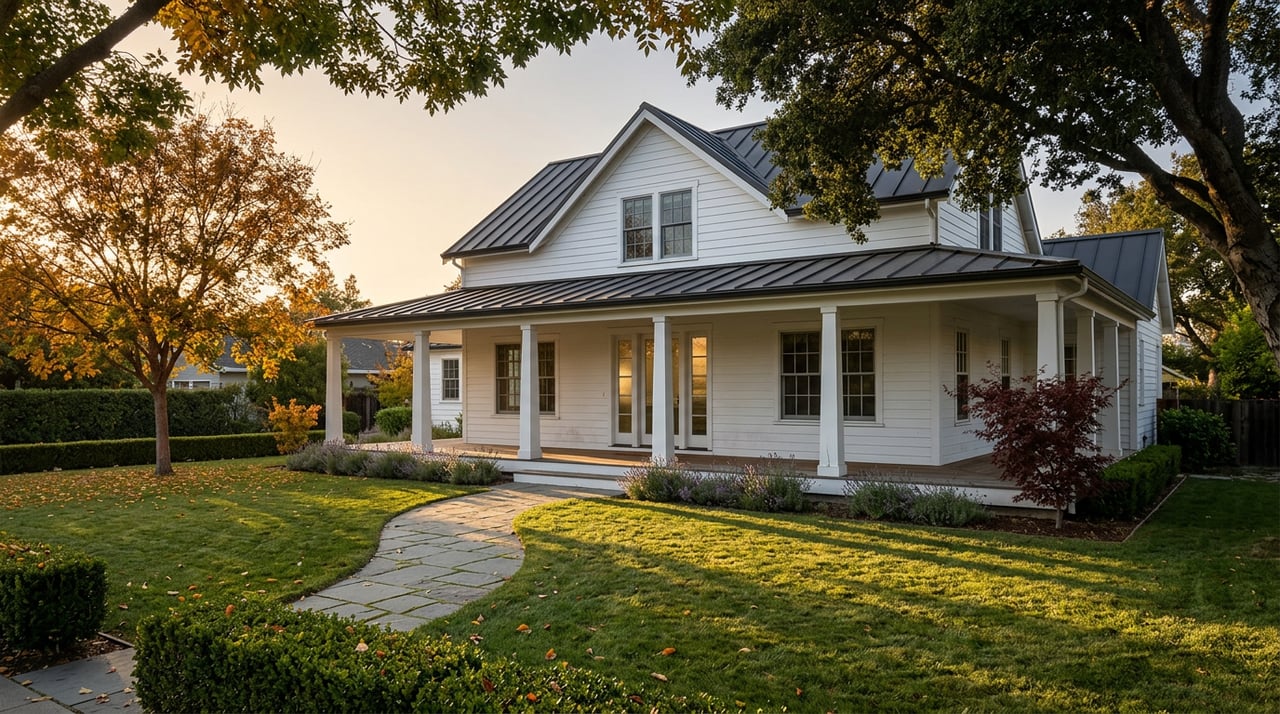
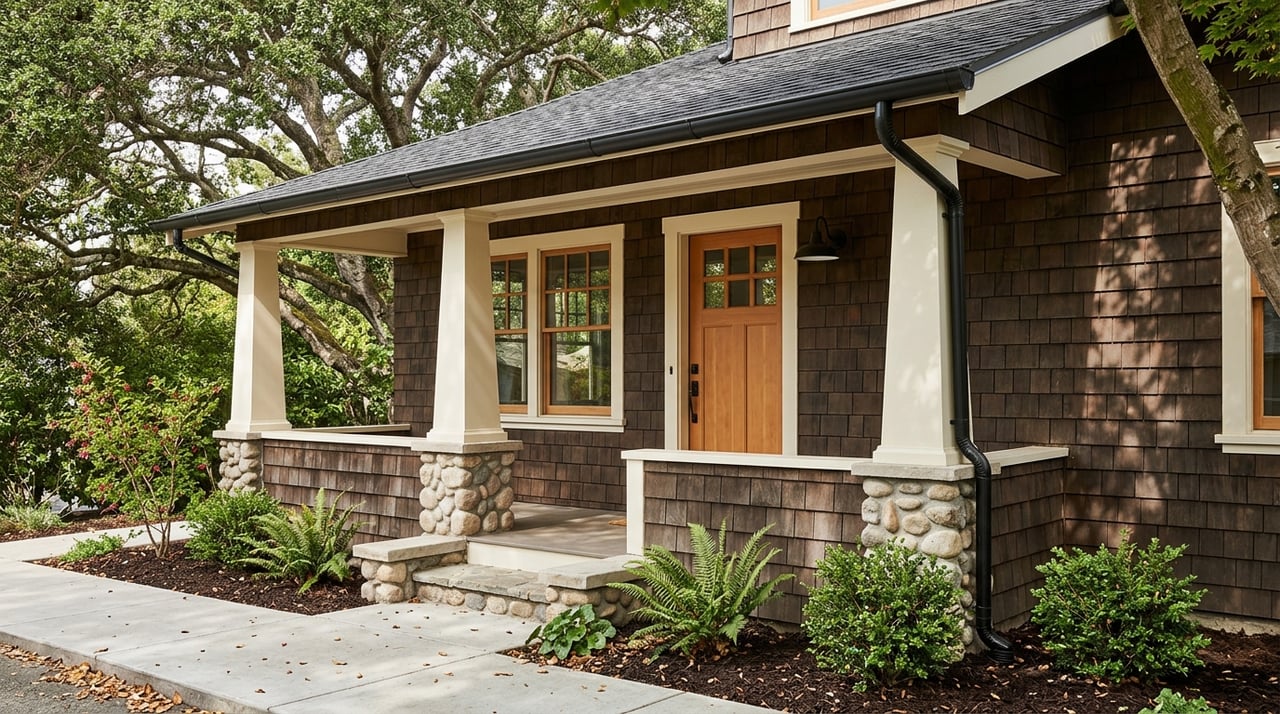
Berkeley’s historic housing stock has a distinct architectural identity that feels different from many other Bay Area markets. City materials describe the local Bay Region, or First Bay Tradition, as a blend of East Coast Shingle Style with Craftsman, Swiss Chalet, Queen Anne, and Art Nouveau influences. In Berkeley, this is often known as the brown shingle style, with wood shingle cladding, asymmetrical layouts, porches, steep roofs, and wood windows, as noted in a City of Berkeley staff report.
That matters because you are not just buying an older house. You are often buying a home shaped by local design values that emphasize craftsmanship, warm materials, and one-of-a-kind character. Berkeley’s historic inventory also includes later Mid-Century Modern homes with features like Roman brick, ribbon windows, cantilevered overhangs, and metal-panel detailing, according to the same city report on local historic architecture.
Start With Status and Permit History
Before you focus on finishes or floor plans, confirm what kind of historic status the property may have. Berkeley advises buyers to check whether a home is a landmark, sits in a historic district, or may be eligible for designation. That step can shape what changes may be allowed later and how long approvals might take.
A smart next move is reviewing the home’s permit history. Berkeley maintains searchable permit records dating back to 1993, with older files available on microfiche. This can help you understand what work was done, when it happened, and whether there is paperwork supporting those changes.
If a kitchen, porch, deck, or window package looks newer, do not assume the work was fully reviewed and permitted. Historic homes often change hands many times, and records can reveal important details that listing photos cannot.
Inspect the Big-Ticket Systems First
Charm does not cancel out maintenance. California homebuyer guidance says you should carefully evaluate a home’s electrical, plumbing, and structural integrity and consider hiring a qualified inspector. In an older Berkeley property, those basics matter more than cosmetic updates.
It helps to prioritize the systems that can affect safety, cost, and long-term usability:
- Foundation condition
- Roof age and condition
- Drainage around the home
- Plumbing system performance
- Electrical capacity and safety
- Signs of seismic weakness or prior retrofit work
Berkeley’s permit guidance also gives a practical window into the issues that often come up in older homes. The city lists dry rot and pest-control damage repairs, deck and porch work, window replacements, and voluntary seismic retrofits among common over-the-counter projects in its plan-check information. That does not mean every house has these issues, but it does tell you where experienced buyers tend to look closely.
Pay Close Attention to Environmental Hazards
If you are buying an older home, environmental review should be part of your normal due diligence, not an afterthought. California’s residential environmental hazards guidance covers issues including asbestos, carbon monoxide, formaldehyde, hazardous waste, lead, mold, and radon. Those are all topics worth discussing with your inspector and any relevant specialists.
Lead deserves extra attention in homes built before 1978. California’s lead-disclosure guidance says sellers or their agents must disclose known lead hazards, provide the EPA pamphlet, and generally allow buyers 10 days to inspect or test for lead unless that timeline is changed by agreement, according to the California Department of Public Health.
That does not mean every pre-1978 home is a bad fit. It means you should go in with a plan, review the disclosures carefully, and build testing into your investigation if needed.
Make Seismic Review a Priority
In Berkeley, earthquake resilience is not a niche concern. It is a core part of evaluating an older property. According to Cal OES earthquake preparedness guidance, older homes that are not attached to their foundations can face greater risk during seismic events.
The agency explains that a residential seismic retrofit typically strengthens an existing house by bolting it to the foundation and adding bracing around the crawl space. It also identifies strapping water heaters and securing nonstructural hazards as standard mitigation steps.
When you review inspections and disclosures, ask direct questions about:
- Whether the home is bolted to its foundation
- Whether crawl-space bracing has been added
- Whether any retrofit work was permitted
- Whether the water heater has been strapped
- Whether there are visible signs of prior seismic upgrades
These are not small details in Berkeley. They can affect both your immediate safety planning and your future budget.
Understand Renovation Rules Before You Buy
Many buyers assume they can sort out renovation plans after closing. In Berkeley, it is smarter to ask questions early, especially if you are considering exterior changes. The city states that building permits are required before construction begins, and that most construction and repairs require permits unless specifically exempted. Exterior changes also trigger zoning permit review.
If the property is a designated historic resource, the process can be more involved. Berkeley states that City Landmarks, Structures of Merit, and Historic District properties require a Structural Alteration Permit approved by the Landmarks Preservation Commission before building-permit consideration for exterior alterations. The city also says complete applications typically take 3 to 12 months to process when they are not heavily revised, based on its landmark alterations guidance.
That timeline can matter a lot if you are planning to replace windows, rework a porch, add square footage, or make other visible exterior updates. A home can still be a great purchase, but you want a realistic understanding of timing, documentation, and approval requirements before you commit.
Ask About Historic Incentives Too
Historic status can create limitations, but it may also offer benefits. Berkeley notes that designated historic properties may qualify for code alternatives under the State Historical Building Code. The city also states that Landmark, Structure of Merit, and Historic District properties may be eligible for Mills Act property-tax savings for owner-occupied or income property through its permit research and tax-savings resources.
If you are seriously considering a designated property, ask whether a Mills Act contract is already in place or whether it may be worth exploring later. Just remember that potential tax savings are part of a bigger picture that can also include preservation obligations.
A Simple Checklist for a Smoother Purchase
If you want to buy a Berkeley historic home without the headache, keep your process simple and thorough.
Confirm Historic Status
Check whether the property is designated, located in a historic district, or potentially eligible for historic treatment. That gives you a clearer picture of what ownership may involve.
Review Permit Records
Use Berkeley’s permit record system to see what work has been documented. If something major was changed, verify whether permits exist.
Inspect Core Systems
Focus first on foundation, roof, drainage, plumbing, electrical, and structural conditions. These issues usually matter more than dated finishes.
Investigate Hazards
For older homes, review environmental disclosures closely and consider testing where appropriate, especially for lead in pre-1978 properties.
Evaluate Seismic Readiness
Ask about foundation bolting, crawl-space bracing, water-heater strapping, and any completed retrofit work.
Clarify Future Renovation Plans
If you want to remodel, ask early whether your likely projects could trigger zoning review, building permits, or Landmarks Preservation Commission approval.
How to Keep the Process Calm
The easiest way to reduce stress is to separate romance from risk. You can love original millwork, historic windows, and a classic brown shingle exterior while still being disciplined about inspections, records, and approval timelines.
Berkeley historic homes often reward buyers who do their homework upfront. When you understand the house’s condition, permit history, and renovation constraints before you close, you are much more likely to enjoy the character that drew you in to begin with.
If you are weighing a character property and want a clear, design-aware perspective on what adds value and what may add friction, connect with Pablo Tiscareno. His thoughtful, high-touch approach can help you evaluate a home with both style and practicality in mind.
FAQs
What makes Berkeley historic homes different from other older homes?
- Berkeley historic homes often reflect the local Bay Region or First Bay Tradition, including brown shingle architecture with handcrafted, highly individualized design features.
What should buyers inspect first in a Berkeley historic home?
- Buyers should start with the foundation, roof, drainage, plumbing, electrical systems, and structural condition, along with any signs of seismic weakness or retrofit work.
What environmental hazards matter when buying an older Berkeley home?
- Common concerns include lead, asbestos, mold, radon, carbon monoxide, formaldehyde, and other hazards identified in California’s environmental guidance for homebuyers.
What should buyers know about lead in Berkeley homes built before 1978?
- For pre-1978 homes, sellers or their agents must disclose known lead hazards, provide the EPA pamphlet, and generally give buyers 10 days to inspect or test unless another timeline is agreed upon.
What permits are needed for changes to a Berkeley historic property?
- Most construction and repairs require permits in Berkeley, and designated historic properties may also need a Structural Alteration Permit and Landmarks Preservation Commission approval for exterior changes.
How long can Berkeley historic-property review take?
- Berkeley says complete applications for landmark alterations are typically processed in 3 to 12 months when they are complete and not heavily revised.
Can Berkeley historic homeowners qualify for tax savings?
- Some designated historic properties in Berkeley may be eligible for Mills Act property-tax savings, depending on the property and program requirements.