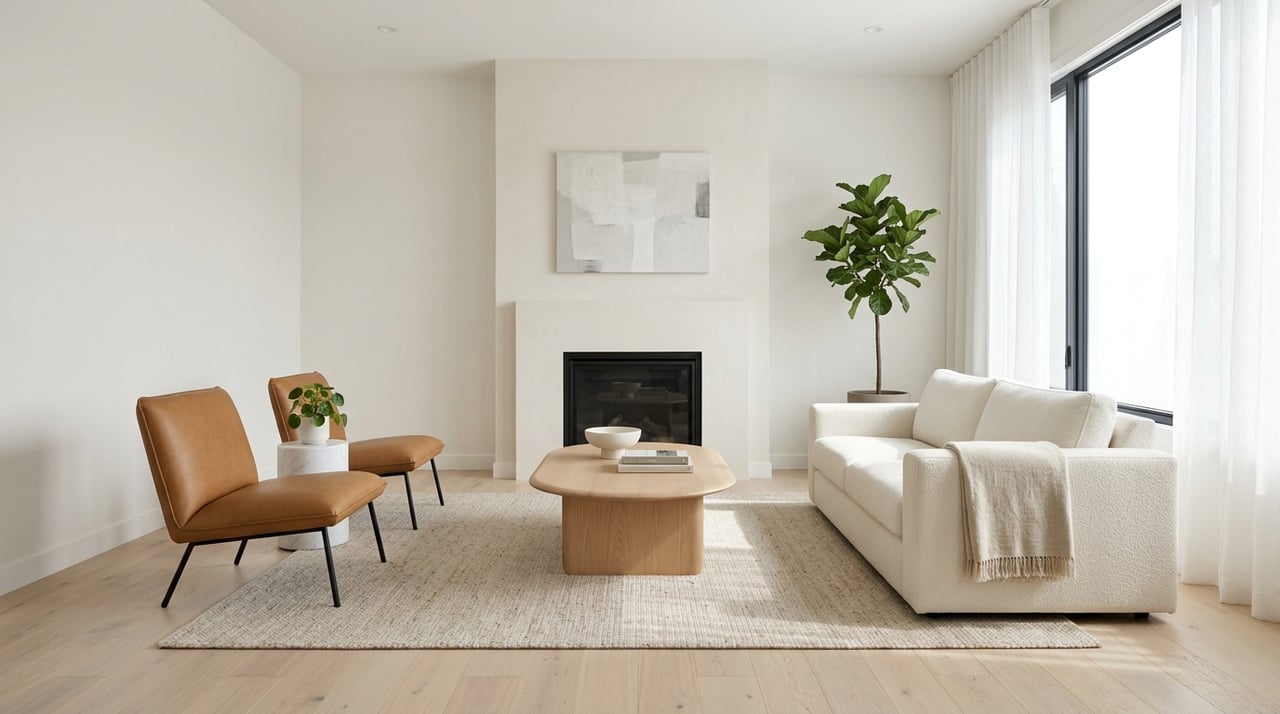
If your Walnut Creek home will likely hit the market fast, you may wonder whether staging is really worth the effort. It is a fair question, especially in a market where homes can move quickly and attract multiple offers. But speed does not replace presentation, and buyers still make fast judgments based on what they see online and in person. This is where staging becomes a strategy, not just a design choice. Let’s dive in.
Walnut Creek Buyers Notice Presentation
Walnut Creek remains a strong market, but that does not mean every home sells the same way. In March 2026, homes in Walnut Creek sold in about 12 days on average, received 3 offers on average, and had a median sale price of $845,000. The average sale-to-list ratio was 103.1%, which shows that many homes still sold above asking.
That said, buyers also have options. Contra Costa County overall has been moving more slowly, with a 30-day median days on market and a 100% sale-to-list ratio, while county data showed inventory up 13.2% year over year. In practical terms, that means your home still needs to stand out if you want the strongest response.
Staging Shapes First Impressions
Most buyers now meet your home online before they ever step through the front door. Photos are often the first showing, and staging helps those photos feel inviting, polished, and easy to understand. When rooms look intentional, buyers can picture how the home lives.
According to the National Association of Realtors 2025 Profile of Home Staging, 83% of buyers’ agents said staging made it easier for buyers to visualize a property as their future home. The same report found that 31% said staging made buyers more willing to walk through a home they first saw online. For Walnut Creek sellers, that matters because the online impression often decides whether a showing happens at all.
There is also an expectation factor. NAR reported that 48% of respondents said buyers expected homes to look like they were staged on TV shows, and 58% said buyers felt disappointed when real homes did not meet that standard. Your home does not need to feel artificial, but it does need to feel cared for, current, and ready.
Staging Can Support Price and Timing
Staging is not a magic fix, and it should never be treated like a guarantee. But the data suggests it can support stronger results when it is part of a well-planned launch. That includes pricing, prep work, photography, and negotiation.
In NAR’s 2025 report, 29% of sellers’ agents said staging led to a 1% to 10% increase in the dollar value offered. Another 49% said staging reduced time on market. At the same time, 41% of buyers’ agents said staging had no impact on the dollar value offered, which is a useful reminder that staging works best as part of a complete strategy.
In Walnut Creek, even a small price difference can be meaningful. Based on the local median sale price of $845,000, a 1% increase would equal about $8,450. A 10% increase would equal about $84,500. NAR also reported a median staging spend of $1,500 when sellers used a professional staging service, which helps explain why many sellers see staging as a relatively small upfront investment compared with the possible upside.
Why Staging Matters in a Competitive Market
When homes are moving quickly, details matter more, not less. Buyers often compare several listings in the same week, and they can quickly tell which home feels ready and which one feels like work. A staged home tends to feel more complete, more spacious, and easier to understand.
That can be especially important in a market like Walnut Creek, where many sellers are competing for well-prepared buyers who are watching new listings closely. If two homes offer similar location, size, and price, the one with stronger presentation may get more attention early. In a fast market, early attention can shape the entire sale.
Focus on the Rooms That Matter Most
Not every room needs the same level of effort. If you want staging to work hard for you, start with the spaces buyers care about most. These are also the rooms most likely to appear first in your listing photos.
NAR’s 2025 report found that buyers’ agents ranked these rooms as the most important to stage:
- Living room
- Primary bedroom
- Kitchen
On the seller side, the most commonly staged rooms were:
- Living room
- Primary bedroom
- Dining room
- Kitchen
For most Walnut Creek homes, the strongest priority order looks like this:
- Front entry and curb appeal
- Living room
- Primary bedroom
- Kitchen
- Dining or family spaces
Guest bedrooms and secondary bedrooms still matter, but they usually play a supporting role. The goal is to make the main living spaces tell a clear story first.
Start With Curb Appeal
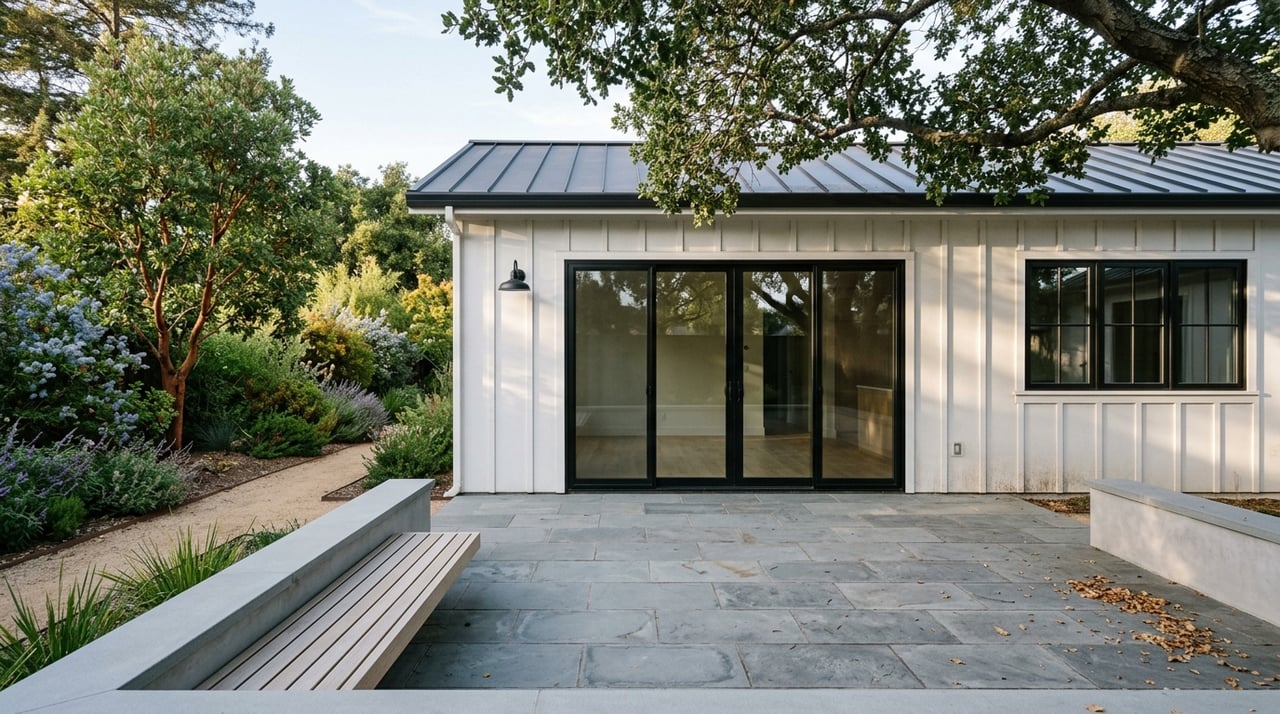
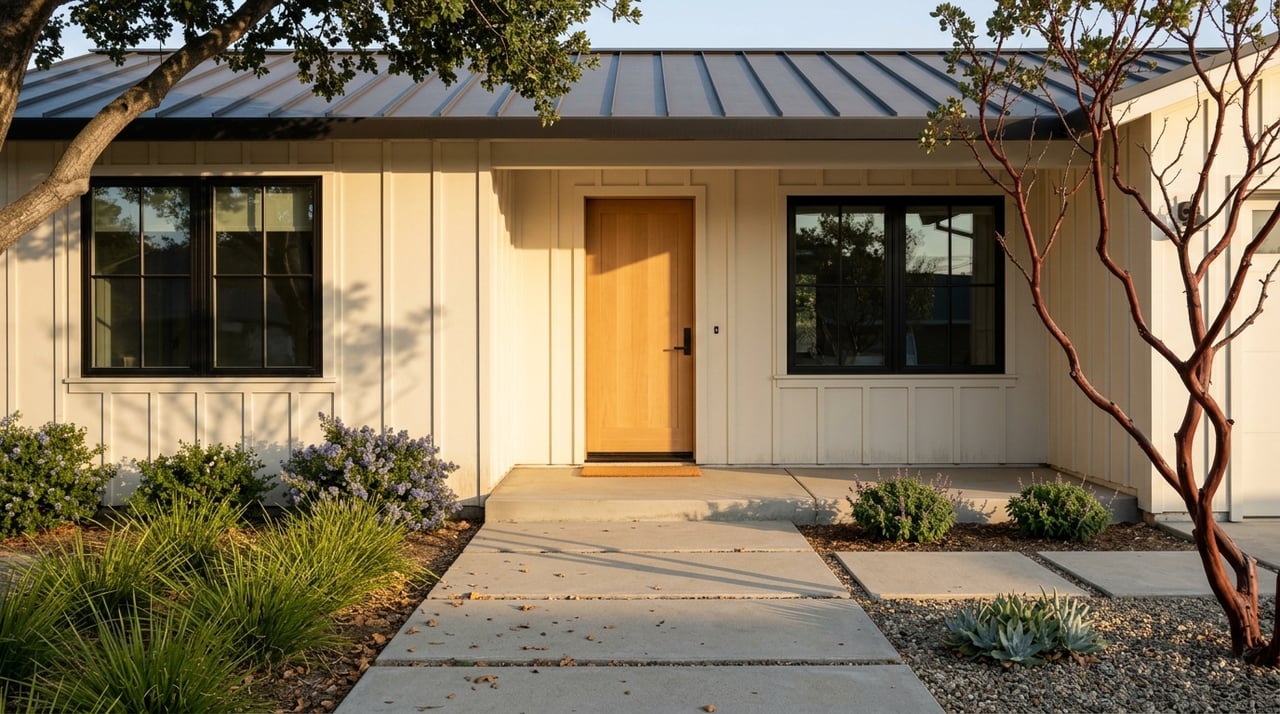
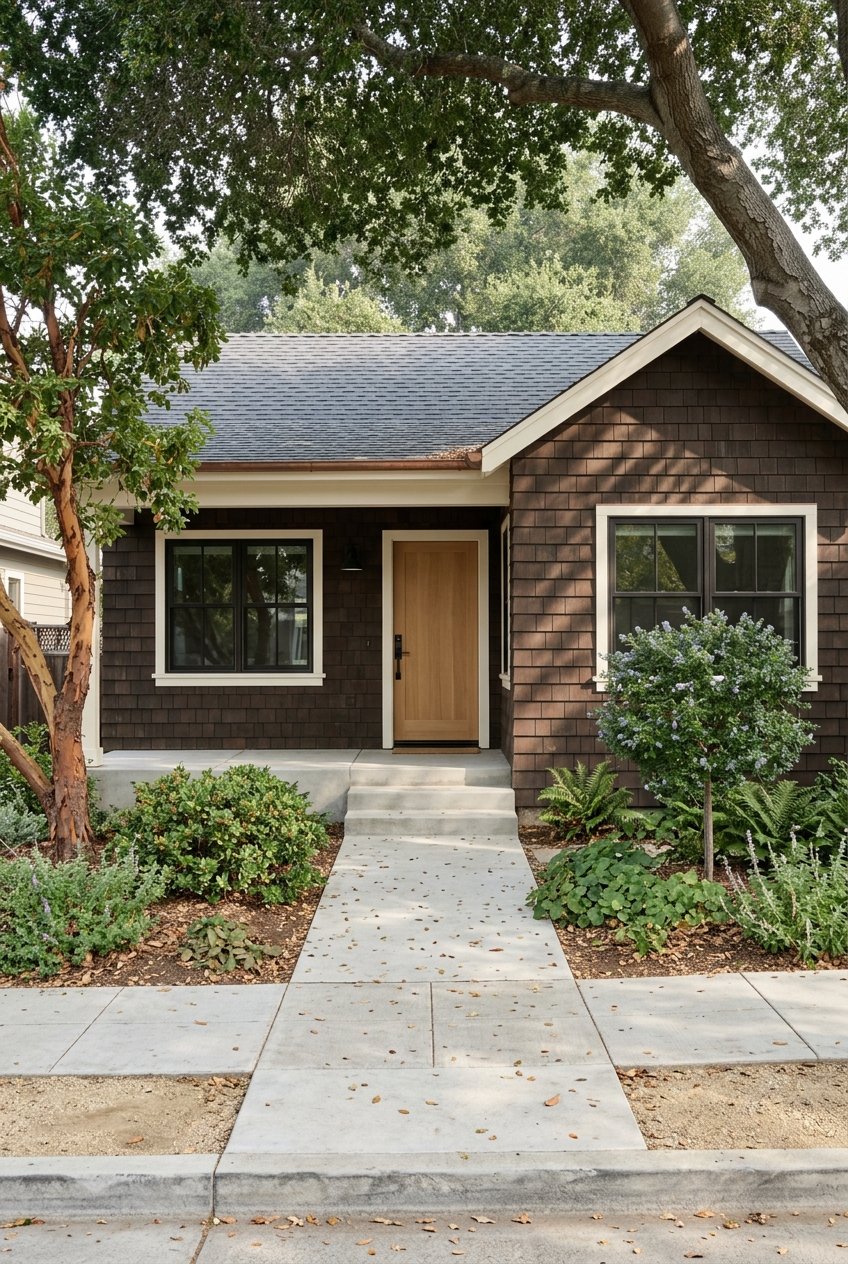
Before buyers notice your finishes, they notice how your home feels from the street. That first exterior impression sets the tone for everything that follows. If the front yard, walkway, or porch feels tidy and welcoming, buyers arrive in a better frame of mind.
NAR found that improving curb appeal was one of the most common home-prep steps sellers took before listing. In Walnut Creek, where mature landscaping and attractive approaches often add to a home’s appeal, simple updates can go a long way. Clean paths, trimmed greenery, fresh mulch, and a neat front entry can help your home feel move-in ready before buyers even open the door.
Make the Living Room Feel Easy
The living room does a lot of heavy lifting in a sale. Buyers use it to judge scale, flow, natural light, and how everyday life might feel in the home. If the room is overcrowded or empty in the wrong way, it can be harder for buyers to connect.
This is why the living room ranked as the most important room to stage. The right layout can define conversation areas, highlight windows, and improve traffic flow. In listing photos, that helps the room look balanced and spacious instead of confusing or flat.
Keep the Primary Bedroom Calm
The primary bedroom should feel restful and simple. Buyers respond well to rooms that look open, soft, and uncluttered. Too much furniture, bold personal decor, or busy surfaces can make the room feel smaller and less relaxing.
A staged primary bedroom helps buyers focus on comfort, scale, and light. It also supports the emotional side of the sale. Buyers are not just evaluating square footage. They are imagining what it would feel like to live there.
Let the Kitchen Read Clearly
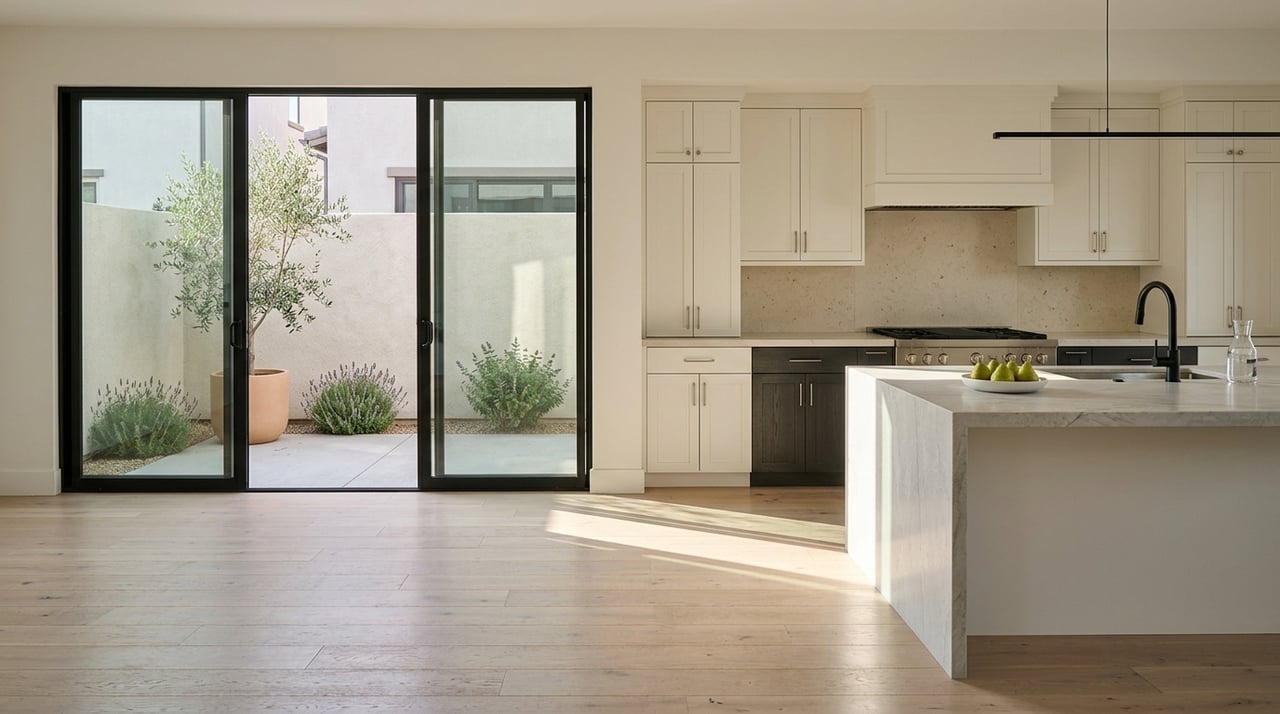
Kitchens sell function as much as style. Buyers want to understand workspace, storage, seating, and how the room connects to the rest of the home. Staging helps remove distractions so those strengths stand out.
That does not always mean adding more. Often, it means editing. Clean counters, a few well-placed accessories, and open sight lines can make a kitchen feel larger and more current in photos and in person.
Decluttering Is Part of Staging
One of the biggest misconceptions about staging is that it starts with furniture. In reality, it often starts with subtraction. NAR found that decluttering was the most common home-prep step, followed by whole-home cleaning.
If you do nothing else before listing, start here:
- Remove extra furniture that blocks flow
- Clear countertops and crowded shelves
- Pack away highly personal items
- Organize closets and storage areas
- Deep clean every room
These steps help buyers focus on the home itself. They also make professional staging and photography more effective.
Physical Staging Still Carries More Weight
Virtual staging has a place in marketing, but buyers’ agents in NAR’s 2025 report viewed traditional physical staging as more important. That matters because online photos create expectations, and buyers notice when the real experience does not match the images.
Physical staging tends to create a more cohesive showing experience. The furniture, scale, and flow are real, which helps buyers make faster and more confident decisions. In a market like Walnut Creek, where first impressions can quickly shape offer activity, that consistency matters.
Staging Works Best With a Full Plan
Staging alone is not the whole story. Research summarized by EconPapers suggests that details like neutral wall color and good furnishings can improve buyer perception, but staging by itself is not enough to guarantee a higher sale price. The best results usually come from a coordinated approach.
That approach may include:
- Smart pricing from the start
- Pre-sale touch-ups or small improvements
- Thoughtful staging
- Professional photography
- A polished listing launch
- Clear showing strategy and negotiation
This is one reason staging matters so much in Walnut Creek sales. It is not just about making a home look nice. It is about helping the market understand the value of your home quickly and clearly.
Why It Matters for Walnut Creek Sellers
In a high-value market, small differences in presentation can create meaningful differences in response. Buyers in Walnut Creek are often comparing homes carefully, even when they are ready to move fast. The homes that feel polished, inviting, and easy to understand usually have an advantage.
For sellers, that means staging is less about decoration and more about positioning. It helps your home photograph better, show better, and compete better. When paired with a thoughtful pricing and launch plan, it can support the kind of strong first week every seller wants.
If you are preparing to sell in Walnut Creek and want a design-forward strategy that also respects your timeline, a thoughtful staging plan can make the process feel far more manageable. To request a complimentary staging and market consultation, connect with Pablo Tiscareno.
FAQs
Why does home staging matter in Walnut Creek sales?
- Walnut Creek is a fast-moving market, but buyers still compare listings closely. Staging helps your home stand out online and in person by making it easier for buyers to visualize the space and connect with it quickly.
Which rooms should sellers stage first in a Walnut Creek home?
- The best rooms to prioritize are the front entry, living room, primary bedroom, kitchen, and dining or family spaces. These areas tend to shape the strongest first impression.
Can staging increase the sale price of a Walnut Creek home?
- It can help, but it is not guaranteed. NAR reported that 29% of sellers’ agents said staging led to a 1% to 10% increase in the dollar value offered, while others said the biggest benefit was reduced time on market.
Is decluttering enough if you are selling a home in Walnut Creek?
- Decluttering is a strong start and one of the most common prep steps, but it usually works best with cleaning, curb appeal improvements, and a broader presentation strategy.
Does virtual staging work as well as physical staging for Walnut Creek listings?
- Physical staging is generally seen as more important because it supports both the online impression and the in-person showing experience. It helps buyers see the layout, scale, and flow more clearly.
How much do sellers typically spend on home staging?
- NAR reported a median spend of $1,500 when sellers used a professional staging service. Actual costs can vary, but many sellers view staging as a relatively small upfront investment compared with the value of a stronger launch.